
Bunk Beds Cheap
Add a review FollowOverview
-
Founded Date November 22, 1992
-
Sectors Sales
-
Posted Jobs 0
-
Viewed 11
Company Description
10 Things That Your Family Taught You About Bunk Beds For Kids
Bunk Beds for Kids: A Comprehensive Guide
bunk Beds for kids beds have been a popular choice for children’s bedrooms for several years. They use a space-saving solution that takes full advantage of floor location, provides enjoyable climbing up choices, and can be found in a range of designs that attract children’s imaginations. This short article explores the advantages, factors to consider, designs, and safety features connected with bunk beds for children.
Advantages of Bunk Beds
Bunk beds present several advantages that make them an attractive alternative for households. Here are some crucial advantages:
-
Space Saving
- Bunk beds enable 2 or more children to share a space without compromising space for play or other activities.
-
Cost-efficient
- Purchasing a single bunk bed can be more cost-effective than buying two separate beds.
-
Fun Factor
- Kids typically see bunk beds as a fun place to sleep and play, promoting a sense of experience.
-
Adaptability
- Bunk beds are readily available in various configurations, consisting of L-shaped, loft beds, and even convertible designs that can alter as kids grow.
-
Company
- Many bunk beds feature built-in storage options, such as shelves and drawers, assisting keep rooms arranged.
Key Considerations Before Purchasing
Before buying a bunk bed, it’s necessary to consider certain factors, such as:
-
Space Requirements
Step the space to guarantee that there is enough vertical space, enabling adequate headroom on the top bunk. -
Age of Your Children
Consider their age and maturity. Lots of manufacturers suggest that kids under six need to not oversleep the top bunk due to security issues. -
Weight Limit
It’s vital to examine the weight limitations of the bunk bed for both the top and bottom bunks to ensure safety. -
Design Preferences
Choose a design that matches the room’s design and the children’s choices. -
Material
Bunk beds are readily available in various products, such as wood or metal. Each has its advantages and disadvantages concerning resilience and looks.
Designs of Bunk Beds
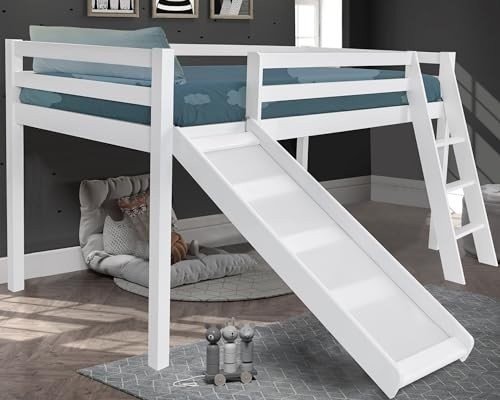
Bunk beds can be found in numerous styles to fit different visual appeals and practical needs. Here’s a list of some popular styles:
-
Standard Bunk Beds
Classic stacked beds that consist of 2 beds built one above the other. -
Loft Beds
A bed elevated high off the ground, with space beneath for a desk, play area, or storage. -
L-Shaped bunk beds for sale Beds
Two beds set up in an L-shape, supplying more floor space and an unique style aspect. -
Twin Over Full Bunk Beds
These alternatives include a twin bed on the top and a full-sized bed on the bottom, accommodating older kids or adults. -
Triple Bunk Beds
Developed for 3 kids, these beds typically include 3 stacked beds, ideal for bigger families.
Safety Features to Consider
Ensuring the safety of children using bunk beds is vital. Here are some security includes to try to find before purchasing:
-
Guardrails
A bunk bed should consist of strong guardrails on the top bunk to prevent accidental falls. -
Ladders
Ensure that the ladder is securely attached and simple for kids to browse securely. -
Stability
Look for bunk beds with lower center of mass and broad bases to offer better stability. -
Quality Construction
Select beds made from durable materials that satisfy safety standards, such as ASTM (American Society for Testing and Materials) guidelines.
FAQs About Bunk Beds
1. What age is appropriate for a top bunk?Generally, kids aged six and older are recommended for oversleeping the leading bunk. 2. Are bunk beds safe for toddlers?Most professionals recommend against
placing toddlers in the top bunk due to the
threat of falls and incorrect ladder use. 3. Can bunk beds be separated?Many bunk beds are developed to be separated into 2 standalone beds,
supplying added flexibility as kids grow
. 4. How do I keep a bunk bed?Regularly check for loose screws and wear, keep mattresses clean, and make sure that the bunk bed is
stable to lengthen its lifespan. 5.
Are there any unique bed mattress requirements for bunk beds?Yes, mattresses for bunk beds must fit snugly without leaving spaces. Generally, thinner bed mattress
(around 6 to 8 inches )are recommended for top bunks for security. Bunk beds offer a versatile, practical, and fun option for children’s sleeping plans, taking full advantage of space while accommodating numerous kids in one room. By thinking about the important aspects
of design, safety, and space, parents can make an informed choice when selecting the right bunk bed for their kids’s requirements. With the ideal care and upkeep, a bunk bed can be a beloved piece of furniture that offers years of use and satisfaction for kids. Summary Table of Bunk Bed Styles Style Description Best For Requirement Bunk Beds Traditional design, 2 stacked beds Smaller spaces Loft Beds Elevated bed with open space beneath Research study or play locations L-Shaped Bunk Beds 2 beds in an L-shape
Added flooring space Twin Over Full Twin on top,
| complete on bottom Accommodating older children Triple | ||||||
|---|---|---|---|---|---|---|
| Bunk Beds | 3 stacked beds | Larger households By understanding | the different alternatives available, designated factors to consider for safety and performance, and proper age standards, households
| can select the perfect bunk bed that not
| only improves their home
| however also makes sure a safe and | |
pleasurable sleeping environment
| for their kids bunk bed. | 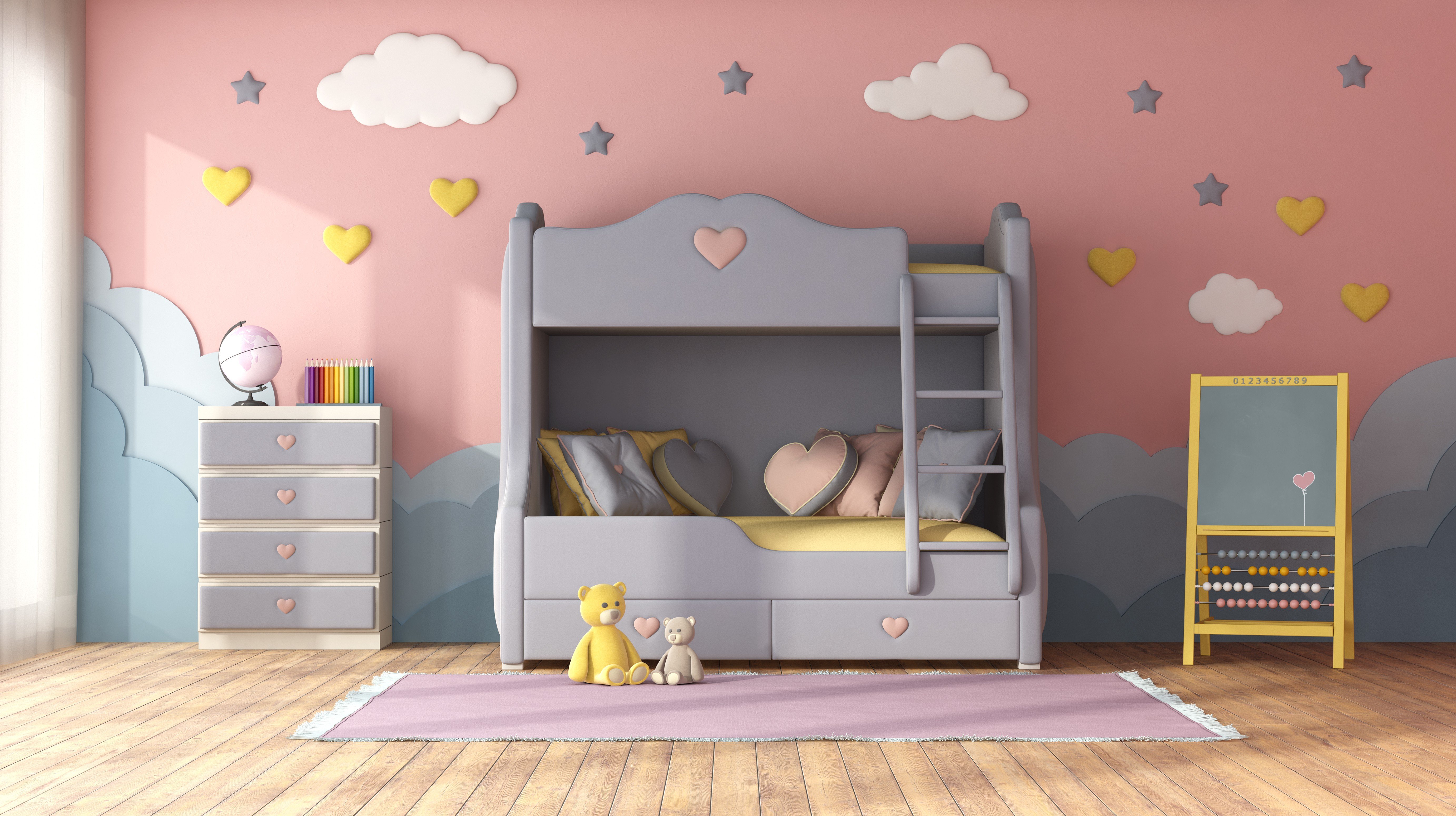

|