
High Cube Shipping Containers
Add a review FollowOverview
-
Founded Date March 25, 1944
-
Sectors Security
-
Posted Jobs 0
-
Viewed 16
Company Description
10 Undeniable Reasons People Hate Shipping Container Construction
The Rise of Shipping Container Construction: A Transformative Approach to Modern Building
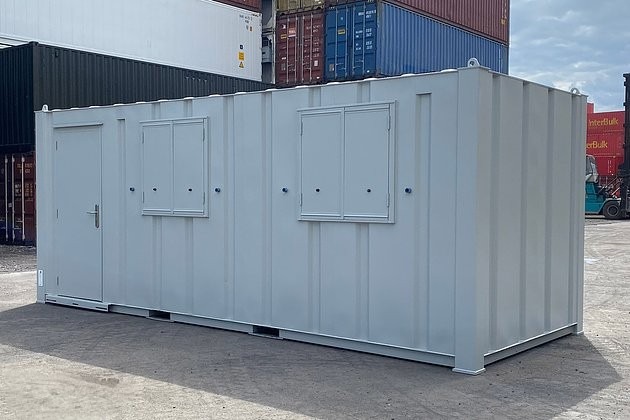
Over the last few years, innovative construction techniques have come to the leading edge, providing sustainable, budget-friendly, and special alternatives to conventional building practices. Amongst these innovations, shipping container construction has quickly acquired appeal. This method leverages used shipping containers, repurposing them into practical spaces varying from homes and offices to pop-up stores and recreation center. This article goes over the advantages, difficulties, and procedures of shipping container construction while addressing often asked concerns about this innovative structure practice.
What is Shipping Container Construction?
Shipping container construction involves the use of intermodal containers, typically called shipping containers, as the main structure material. These robust metal boxes are developed to hold up against harsh conditions at sea, making them durable and sustainable for construction purposes. The adaptability of shipping containers enables for innovative styles in architecture, adding to a vast array of applications.
| Container Type | Dimensions (L x W x H) | Square Footage | Weight |
|---|---|---|---|
| 20-foot requirement | 20′ x 8′ x 8.5′ | 160 sq. ft. | 5,000 lbs |
| 40-foot requirement | 40′ x 8′ x 8.5′ | 320 sq. ft. | 8,000 pounds |
| 40-foot high cube | 40′ x 8′ x 9.5′ | 320 sq. ft. | 8,400 pounds |
| 45-foot high cube | 45′ x 8′ x 9.5′ | 360 sq. ft. | 9,000 pounds |
Advantages of Shipping Container Construction
1. Sustainability
Utilizing repurposed containers minimizes waste, as many containers stay unused or abandoned after their initial shipping service. This practice is not only environment-friendly but is also a wise method to reduce the carbon footprint connected with traditional building products.
2. Cost
Shipping container homes or structures can offer significant cost savings compared to standard construction approaches. The containers themselves can often be bought at a fraction of the price of traditional building materials. Moreover, their modular design can decrease labor costs and construction time.
3. Fast Construction
Container construction permits faster conclusion times. Many elements, such as insulation, plumbing, and electrical systems, can be prefabricated in a factory before being transported and assembled on-site. This can considerably shorten the overall job timeline.
4. Design Versatility
Containers can be stacked, integrated, and personalized according to specific needs. Architectural creativity can love shipping containers, causing distinct and ingenious structures. This technique permits architects and home builders to believe outside the box– literally!
5. Movement
Shipping container structures can be transported quickly, enabling for moving if required. This attribute is especially beneficial for temporary projects or mobile companies like food trucks or pop-up events.
6. Resilience
Shipping containers are designed to sustain the rigors of sea travel, making them exceptionally long lasting. They can withstand extreme weather and need minimal upkeep, making sure durability.
7. Security
The robust steel structure of shipping containers offers excellent security against theft or vandalism. They can be fitted with locks and security systems, making them a safe alternative for storage or living areas.
Difficulties of Shipping Container Construction
1. Structure Codes and Regulations
Regional structure codes can in some cases impede container construction due to zoning restrictions or safety issues. It is important to talk to local authorities relating to regulations before starting a job.
2. Insulation and Temperature Control
Metal containers can be susceptible to extreme heat in summertime and cold in winter season. Appropriate insulation and ventilation systems are essential to ensure comfy living and working conditions.
3. Structural Modifications
Cutting and customizing containers for windows, doors, and internal designs requires careful planning and execution. It is crucial to maintain structural integrity while designing for performance.
4. Limited Financing Options
Regardless of lower expenses, some banks may be reluctant to finance shipping container projects due to their unconventional nature. Discovering lenders knowledgeable about container construction may position a challenge.
Process of Shipping Container Construction
1. Planning and Design
Before starting any task, in-depth planning and design are important. This stage includes determining the function of the structure, picking the type and variety of containers, and developing the design.
2. Acquisition of Containers
Containers can be sourced from shipping business, container dealerships, or online marketplaces. Checking containers for structural stability and examining any needed repairs is necessary.
3. Website Preparation
Preparing the construction site might include grading, leveling, and laying a structure. While containers are sturdy, a strong base is often recommended to help with drainage.
4. Modifications and Customizations
This stage involves cutting the containers for doors, windows, and other openings, along with adding insulation or soundproofing materials. Plumbing, electrical, and framing work are typically completed at this point.
5. Assembly
Containers are transferred to the website and placed in their predetermined plan. At this stage, structural connections are made, and additional components are set up.
6. Finishing Touches
The last of the procedure involves interior and outside finishing work, including painting, flooring, cabinets, and landscaping to create a complete and functional living or work space.
Frequently Asked Questions (FAQ)
Q1. Are shipping container homes legal to construct?
A1. Building codes and zoning laws vary by place. Always examine regional regulations and get necessary permits before starting construction.
Q2. Just how much does it cost to construct a shipping container home?
A2. The cost can vary commonly depending upon the size, design, area, and customization. Fundamental container homes can start around ₤ 10,000, while more intricate styles can exceed ₤ 100,000.
Q3. How lots of shipping containers do I require?
A3. The variety of containers required will depend upon the wanted size and layout of the structure. A little single-container home can be enough, while bigger structures may require several containers.
Q4. Can I finance a shipping container job?
A4. Financing alternatives may be limited. It’s a good idea to research lending institutions who have experience with non-traditional structure methods.
Q5. How are shipping container homes insulated?
A5. Insulation can be used inside or outside the container. Materials like spray foam, rigid foam, or wool can provide effective insulation and add to energy performance.
Shipping container construction is redefining modern-day architecture by mixing sustainability, creativity, and functionality. While there are difficulties to think about, the benefits of utilizing shipping containers in structure projects make them an appealing alternative for property owners, businesses, and developers alike. As this construction method continues to progress, it uses a peek into the future of structure– one where sustainability and development work together.