
Misted Windows
Add a review FollowOverview
-
Founded Date December 6, 2018
-
Sectors Design
-
Posted Jobs 0
-
Viewed 14
Company Description
What’s The Job Market For Window Condensation Professionals?
Understanding Window Condensation: Causes, Effects, and Solutions
Window condensation is a common phenomenon encountered in both residential and industrial settings. The presence of moisture on window surfaces can cause a number of problems, not only affecting looks however likewise affecting the total health of a building and its residents. This article explores the domino effects of window condensation, supplies useful solutions, and addresses regularly asked questions.
What is Window Condensation?
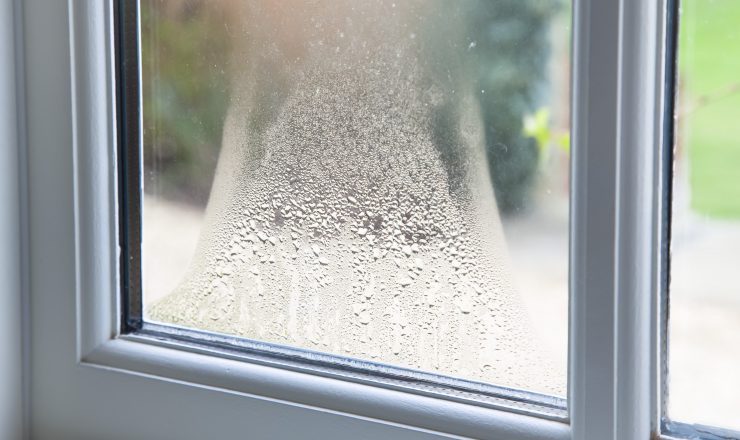
Window condensation happens when warm, damp air comes into contact with a cooler surface area, causing the moisture in the air to condense into liquid water. This procedure often happens on the interior side of windows in chillier months or when humidity levels are high.
Reasons For Window Condensation
The primary perpetrator behind window condensation is the existence of warm, damp air juxtaposed against cooler window surface areas. Here are crucial factors adding to the event of window Condensation On Windows:
Table 1: Factors Contributing to Window Condensation
| Factor | Description |
|---|---|
| Indoor Humidity Levels | High humidity from everyday activities (cooking, showering, and so on) increases moisture in the air. |
| Temperature level Differences | A considerable temperature difference in between indoor air and window surfaces promotes condensation. |
| Poor Ventilation | Inadequate airflow can prevent damp air from dissipating, causing increased humidity indoors. |
| Inadequate Insulation | Badly insulated windows can end up being cooler than surrounding air, resulting in condensation. |
| Weather condition Conditions | Cold weather and extreme humidity can heighten condensation issues. |
Effects of Window Condensation
While window condensation might appear benign, it can lead to a series of concerns that compromise comfort and safety in a structure.
Table 2: Effects of Window Condensation
| Impact | Description |
|---|---|
| Mold Growth | Prolonged moisture on window surface areas can result in mold and mildew development, which position health dangers. |
| Damage to Foggy Window Fix Frames | Extreme moisture can warp, rot, or damage window frames and sills. |
| Decreased Energy Efficiency | Condensation can suggest inadequate insulation, leading to higher energy costs. |
| Aesthetic Appeals | Water discolorations, mold, and cloudy windows interfere with the total appearance of an office or home. |
| Decreased Indoor Air Quality | Mold spores can distribute in the air, contributing to breathing concerns and allergic reactions. |
Solutions to Mitigate Window Condensation
Preventing Window Condensation Repair condensation involves a multi-faceted method that targets humidity levels, temperature level, and ventilation. Here work strategies to reduce this concern:

List of Solutions
-
Boost Air Circulation
- Make sure proper ventilation throughout the building by utilizing exhaust fans in bathroom and kitchens.
- Open windows when possible to allow fresh air to circulate.
-
Use Dehumidifiers
- Purchase a dehumidifier to regulate indoor humidity levels, particularly in basements or restrooms where moisture tends to accumulate.
-
Enhance Insulation
- Update to energy-efficient windows or include storm windows to preserve temperature and decrease condensation.
- Ensure that existing windows are appropriately insulated.
-
Screen Indoor Humidity
- Make use of hygrometers to keep track of indoor humidity levels, intending for a variety of 30-50%.
-
Apply Window Treatments
- Think about using insulated blinds or curtains that can help maintain temperature on the window surface.
-
Seal Leaks
- Examine windows for leakages and utilize caulk or weather removing to seal openings that might allow cold air in.
-
Preserve Consistent Indoor Temperatures
- Attempt to keep family temperatures constant to prevent extreme differences that might provoke condensation.
Frequently Asked Questions (FAQ)
Q1: Why does window condensation happen more in winter season?
A1: In winter season, the inside air is normally warmer and holds more moisture than the cold window surface area. This temperature level difference increases the likelihood of condensation forming.
Q2: Is window condensation an indication of a larger issue?
A2: While condensation itself is a typical incident, persistent condensation may suggest problems such as poor insulation, ventilation issues, or high humidity levels that need resolving.
Q3: How can I inform if my windows are properly sealed?
A3: Inspect for drafts, water marks, or misty areas around frames. Consider using thermal imaging to identify cold spots that suggest air leaks.
Q4: Can window condensation damage my furniture?
A4: Yes, extended direct exposure to moisture can hurt nearby home furnishings, causing warping, discoloration, and mold development.
Q5: What indoor humidity level is perfect?
A5: A humidity level in between 30% and 50% is typically suggested to decrease the risk of condensation while maintaining comfort.
Window condensation is not simply a minor inconvenience; it positions prospective risks to health and property if left unaddressed. Comprehending the mechanisms behind condensation and implementing efficient solutions can significantly improve indoor air quality and extend the life of windows and their frames. By taking proactive measures, homeowners and building managers can create a more comfortable living environment while safeguarding their investments.