
Shipping Container Sizes
Add a review FollowOverview
-
Founded Date March 25, 1981
-
Sectors Finance
-
Posted Jobs 0
-
Viewed 18
Company Description
See What Shipping Container Homes Tricks The Celebs Are Using
The Rise of Shipping Container Homes: An Innovative Approach to Affordable Living
In recent years, the trend of using Shipping Container Depot containers for homes has gotten considerable popularity. As housing prices continue to soar, eco-conscious living becomes more appealing, and the requirement for innovative solutions emerges, shipping container homes emerge as a viable option. This article explores the different elements of living in shipping container homes, explores their advantages and obstacles, and responds to some frequently asked concerns.
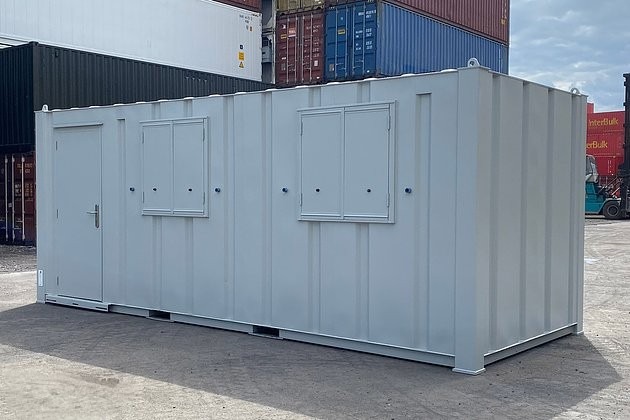
What Are Shipping Container Homes?
Shipping container homes are structures constructed from repurposed shipping containers, which are generally made from steel and can withstand severe weather conditions. They come in various sizes, with the most common being the standard 20-foot and 40-foot containers. These homes can be developed as standalone units or integrated to form larger home, making them highly versatile to different way of lives and living plans.
Table 1: Common Sizes and Dimensions of Shipping Containers
| Container Size | External Dimensions (feet) | Internal Dimensions (ft) | Square Footage |
|---|---|---|---|
| 20-foot container | 20′ x 8′ x 8.5′ | 19’4″ x 7’8″ x 7’9″ | 160 sq ft |
| 40-foot container | 40′ x 8′ x 8.5′ | 39’4″ x 7’8″ x 7’9″ | 320 sq feet |
| 40-foot high cube | 40′ x 8′ x 9.5′ | 39’4″ x 7’8″ x 8’9″ | 320 sq feet |
Advantages of Shipping Container Homes
Shipping container homes include various advantages, making them an attractive alternative for lots of individuals and families. Here are some of the key benefits:
-
Affordability: One of the primary reasons people pick shipping container homes is their cost-effectiveness. Buying a Used Cargo Containers shipping container can be considerably more affordable than traditional construction products.
-
Eco-friendly: By repurposing old shipping containers, people can decrease waste and promote sustainable living.
-
Durability: Shipping containers are designed to hold up against extreme conditions at sea, making them durable to severe weather, insects, and decay.
-
Quick Construction: The modular nature of shipping containers permits for faster construction times compared to conventional homes, substantially decreasing the time from design to move-in.
-
Versatility: Shipping containers are extremely personalized, permitting homeowners to design and customize their living area to fulfill their specific requirements and choices.
-
Mobility: For those who desire a semi-nomadic way of life, shipping container homes can be transferred relatively easily, making moving simpler.
Obstacles of Shipping Container Homes
While there are many benefits to shipping container homes, there are also some difficulties that potential homeowners need to consider:
-
Zoning Laws and Regulations: Many municipalities have rigorous guidelines governing using shipping containers as homes, making it important to research study regional zoning laws.
-
Insulation: Shipping containers can carry out cold and heat. Reliable insulation is vital to ensure comfort in extreme temperatures.
-
Limited Space: While Intermodal Containers can be integrated for bigger home, the preliminary footprint may feel smaller compared to conventional homes, which can be a downside for bigger households.
-
Moisture Control: Shipping containers can trap wetness if not effectively ventilated or insulated, resulting in possible mold problems.
-
Financing: Traditional home mortgage alternatives may be more complex for shipping container homes, making financing an obstacle for some.
Developing a Shipping Container Home: Key Considerations
If one is considering developing a shipping container home, several elements need to be considered:
-
Research Local Codes: Before moving forward, contact local building and zoning regulations to make sure compliance.
-
Pick the Right Location: The website’s accessibility, utilities, and environmental elements substantially affect the comfort and expediency of living in a shipping container home.
-
Design and Layout: Planning the layout thoroughly can take full advantage of area and functionality. Incorporating open-plan designs can help produce an impression of a bigger area.
-
Insulation and Ventilation: Invest in quality insulation and proper ventilation systems to ensure year-round convenience.
-
Budget for Services: Consider additional costs such as pipes, electrical setup, and website preparation, which can contribute to the total expenses.
Regularly Asked Questions (FAQs)
1. Are shipping container homes inexpensive?
Yes, Shipping Container Transport container homes can be relatively affordable compared to standard homes, particularly when making use of recycled products and minimalist designs.
2. How long do shipping container homes last?
With correct maintenance and care, shipping container homes can last for decades. The steel structure is robust, but seasonal upkeep is vital to prevent rust and deterioration.
3. Can I customize my shipping container home?
Absolutely! Shipping containers are highly customizable. Property owners can pick the layout, products, and finishes, making each home distinct.
4. Do shipping container homes need permits?
Yes, structure authorizations may be needed depending on local guidelines. It’s vital to seek advice from local authorities before beginning your task.
5. How do shipping container homes carry out in severe weather condition?
Shipping container homes are created to withstand considerable pressures and forces, making them resistant in severe weather condition. However, correct design and insulation are important to make sure comfort.
Shipping container homes represent an ingenious service to contemporary housing difficulties, offering affordability, sustainability, and adaptability. As this pattern grows in popularity, it motivates more conversations about eco-friendly living and the significance of cost effective housing. However, with any housing option, cautious preparation and consideration are essential to making it a truth. By weighing the benefits and obstacles, prospective homebuyers can make informed choices about whether a shipping container home is the right choice for them.